Abstract:
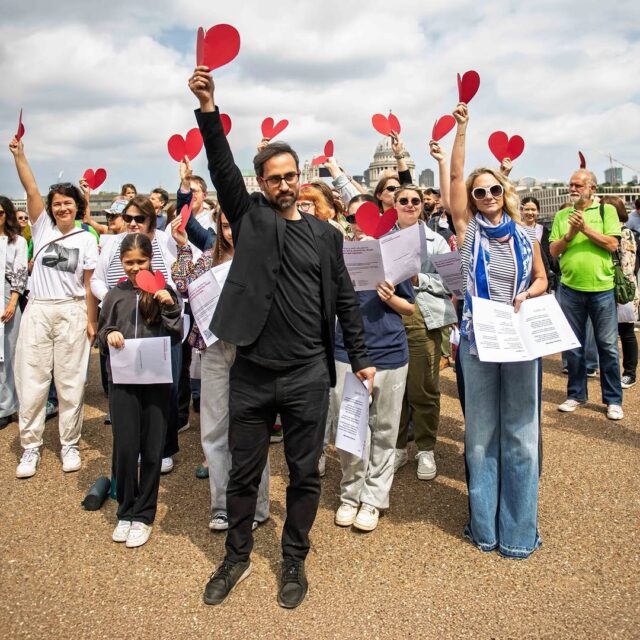
Much of the Serbian UK diaspora was not gathering around Serbian institutions in Great Britain. The church café, the language school or the Embassy were not popular spots due to a familiar parochial culture. Unlike other migrant groups in the UK, we never advertised our presence in British public space, mostly frightened by the role the Serbian community played in and then represented long after the Yugoslav wars in the 90s. How the current protests changed this and why such an overwhelming response of the Serbian diaspora in the UK and beyond are some of the questions I tackle in this paper. Worried for the people we left behind when we migrated from Serbia, we embarked on conversations with people we knew back home, offered support online, financially and spread the word about the protests in our circles whilst targeting UK media. This was until an invitation for in-person event arrived to the UK Diaspora for Students WhatsApp group that grows daily. We gathered a few times in front of the Embassy, organised talks, the choir, vigils in London, but also in Cambridge, Manchester, Edinburgh, Liverpool etc. So, after decades of hiding, we raised a voice and decided to become a visible community. From the formation of the BlUKade choir to the inhabitation of the public space like the front of Tate Modern, diverse members of Serbian and regional community established a united front for the student and civilian support. Rendered through the work of authors working in memory studies and cultural politics (Rothberg, Said, Mercer), my paper will explore this emotive process through a auto-ethnographic record, marking important events on the way to re-claiming our belonging to the Serbian people as well as the UK diaspora.